
The Ultimate Rome Destination Guide: Queer Edition
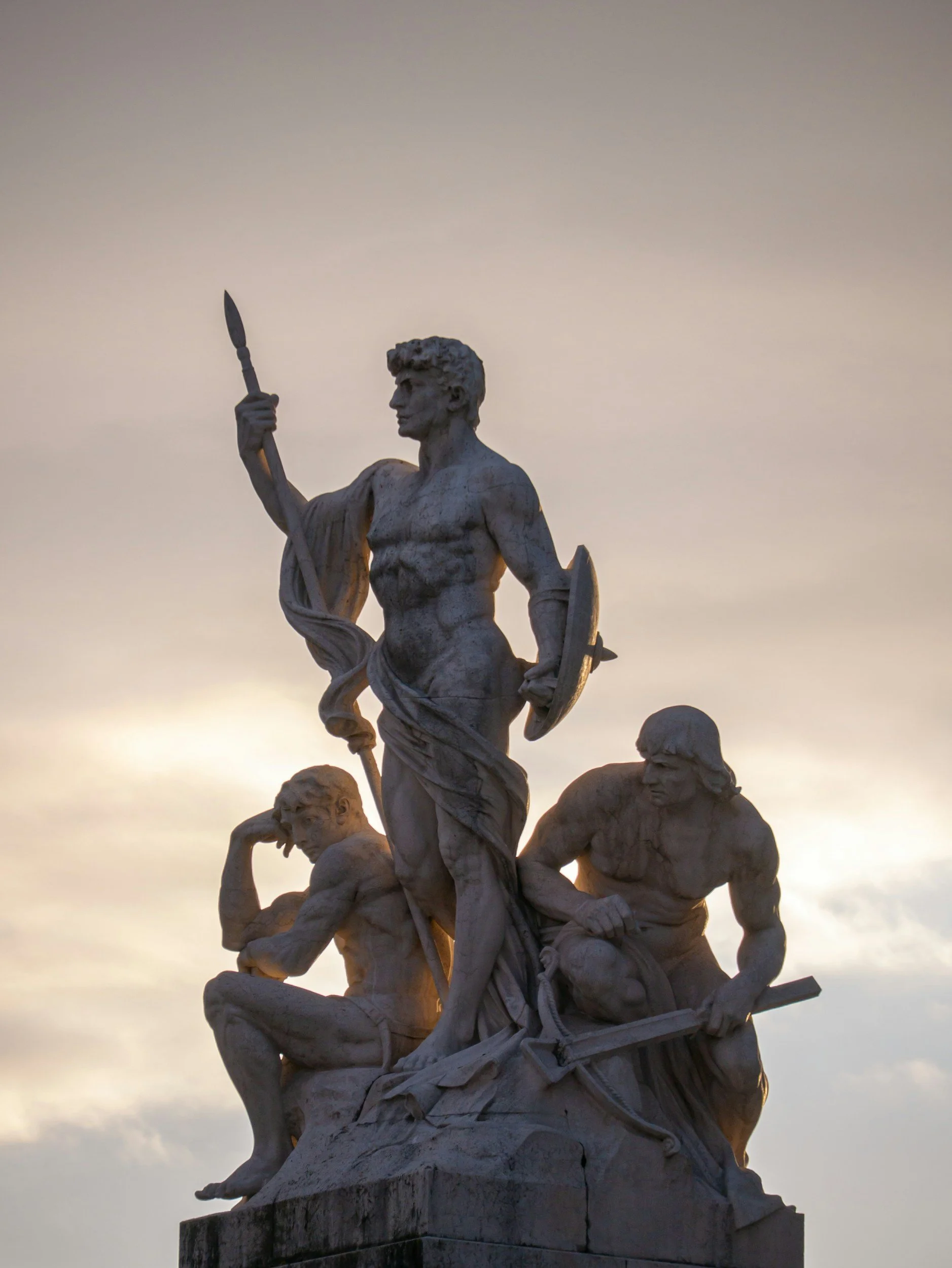
I'll be honest with you, I have not been to Rome yet. But I've got rough dates locked in for my own trip, and putting this guide together has genuinely had me refreshing flight prices at midnight. There's something about a city where a 2,000 year old ruin just casually sits next to someone's apartment building, like it's no big deal, that gets me every time I look at photos of it. Ancient and alive at the same time. That's the whole appeal.
This is my top recommendation, full stop, for clients who want a trip that's more than a checklist of photos. This is your full guide to planning a trip here, whether it's a honeymoon, a girls' trip, a solo adventure, or a couple's romantic escape. I'm breaking it down by neighborhood, where to stay, what to eat, where the queer scene actually is, and the practical stuff nobody tells you until you're standing in a piazza confused about why every shop just closed for three hours. Consider this part research, part me talking myself into the trip I'm already planning.
Want to join a community of LGBTQ travelers? 👉 Join our Private Facebook group here! 👈
Why Rome
Rome rewards curiosity. If you love art, architecture, food, and history that you can literally touch, this city delivers on all of it. It's also just a genuinely walkable, livable place once you get past the first day of jet lag and cobblestones.
Who I'd send here: History buffs and art lovers obviously. Couples wanting a romantic, timeless backdrop. Friend groups who want to eat and drink their way through a city. Solo travelers who want to feel completely anonymous in the best way. And honestly, anyone who wants a trip that feels like more than a checklist of photos.
How long to stay: 3 to 4 nights is the sweet spot to hit the big stuff without rushing. If you've got more time, this is a perfect jumping off point for Florence, the Amalfi Coast, Tuscany, or a day trip to Pompeii.
Getting There & Getting Around
Airport: Rome Fiumicino (FCO) is the main international hub, with direct flights from a lot of U.S. cities. Rome's smaller airport, Ciampino (CIA), mostly handles low-cost and charter carriers and sits about 12km southeast of the center.
From FCO, the Leonardo Express train gets you to Roma Termini in 32 minutes, running every 15 to 30 minutes. It's the easiest way in.
I would not recommend renting a car here. Roman traffic and parking are no joke, and the historic center has serious restricted zones.
Uber works in Rome, but only the Black, Van, and Lux tiers, so fares run higher than you're used to.
Getting around once you're there: The historic center is genuinely walkable, and honestly walking is the best way to stumble onto the good stuff. For anything farther out, the metro (three lines: A, B, C) plus buses and trams will get you where you need to go. If you want something more experiential, a Vespa tour or a golf cart tour are both great ways to cover more ground while still feeling like you're in a movie.
When to Visit
Rome is genuinely a year round destination, but here's the breakdown:
Spring & Fall (April–May, September–October): My pick. Comfortable temps (55–75°F), blooming gardens, and none of the brutal summer heat.
Summer (June–August): Hot, crowded, and lively. Great energy, but pack patience and sunscreen. Locals clear out around Ferragosto (August 15th).
Winter (November–March): Cooler and much quieter, with festive lights and Christmas markets in Piazza Navona. Great for lower prices and fewer crowds.
Where to Stay: Neighborhood Breakdown
Centro Storico: The heart of it all. Colosseum, Pantheon, and every iconic photo op you're picturing. Great home base for first-timers who want everything walkable.
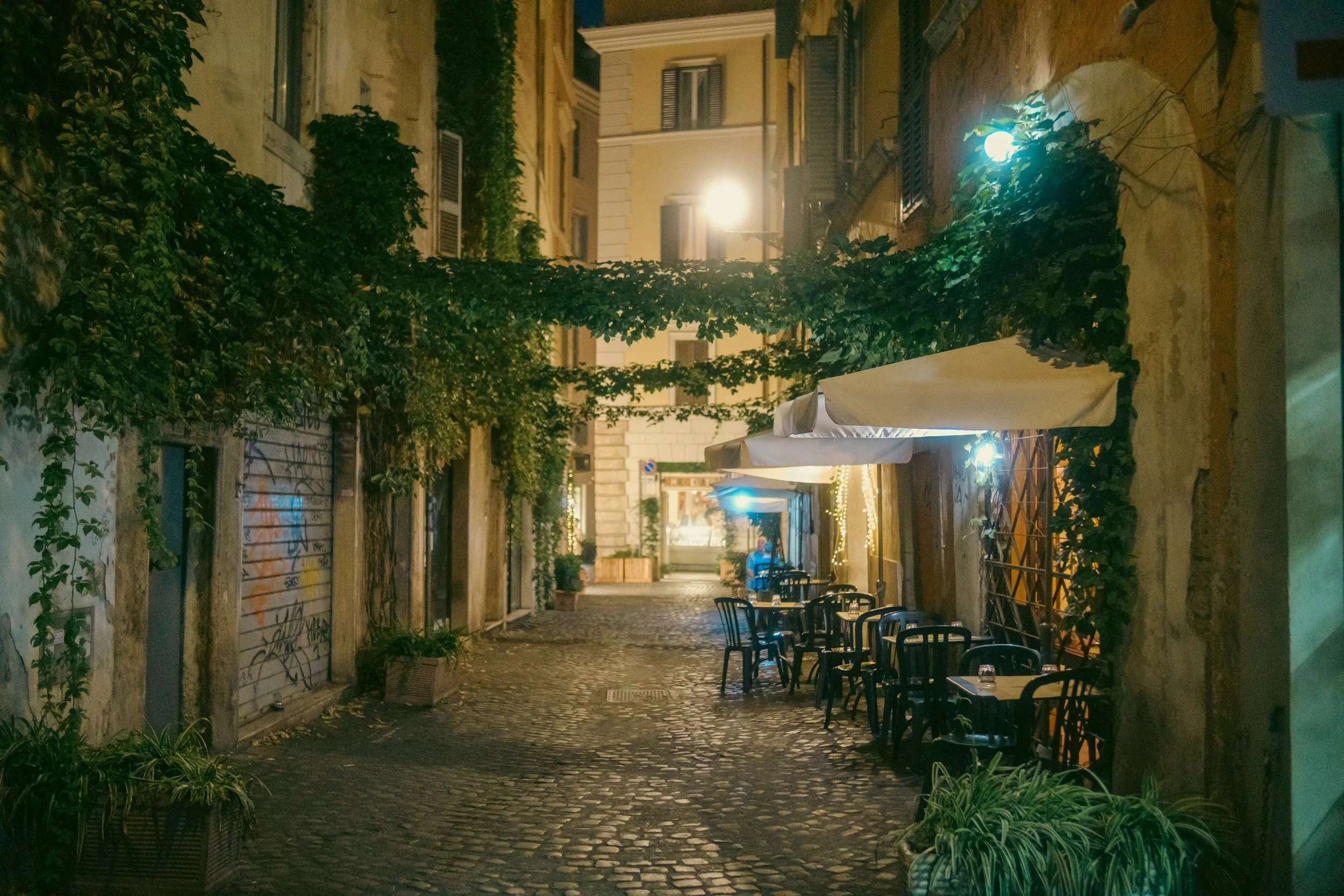
Trastevere: Cobblestone streets, ivy covered buildings, and Rome's best nightlife. This is where the city feels lived-in rather than staged.
Monti: Trendy and bohemian, right next to the Colosseum. Think vintage boutiques and low-key wine bars.
Vatican City & Prati: Home base if you want to be close to St. Peter's, with elegant shopping and dining nearby in Prati.
Testaccio: Rome's food district. If you want the most authentic Roman cooking and a strong local vibe, this is it.
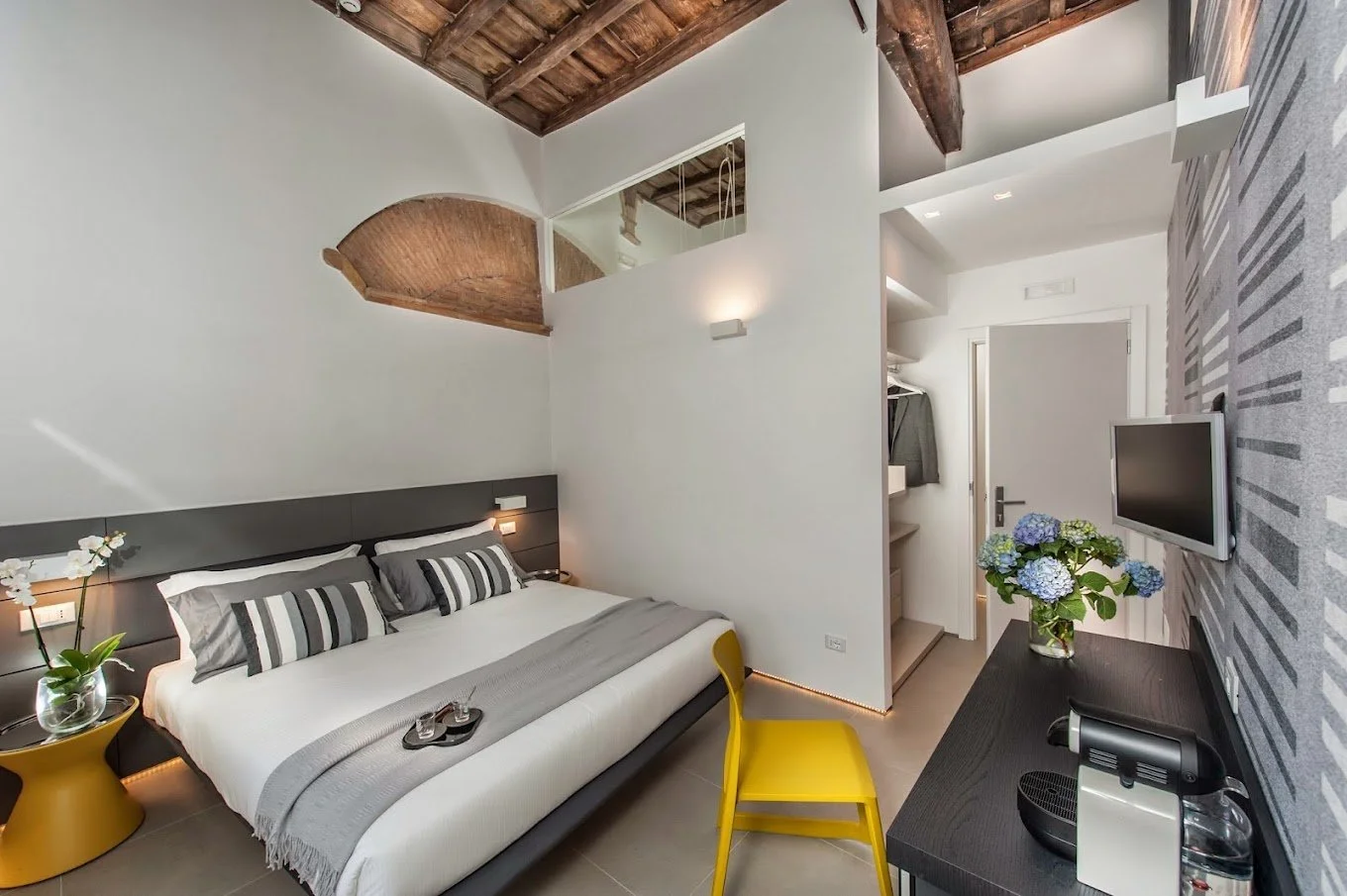
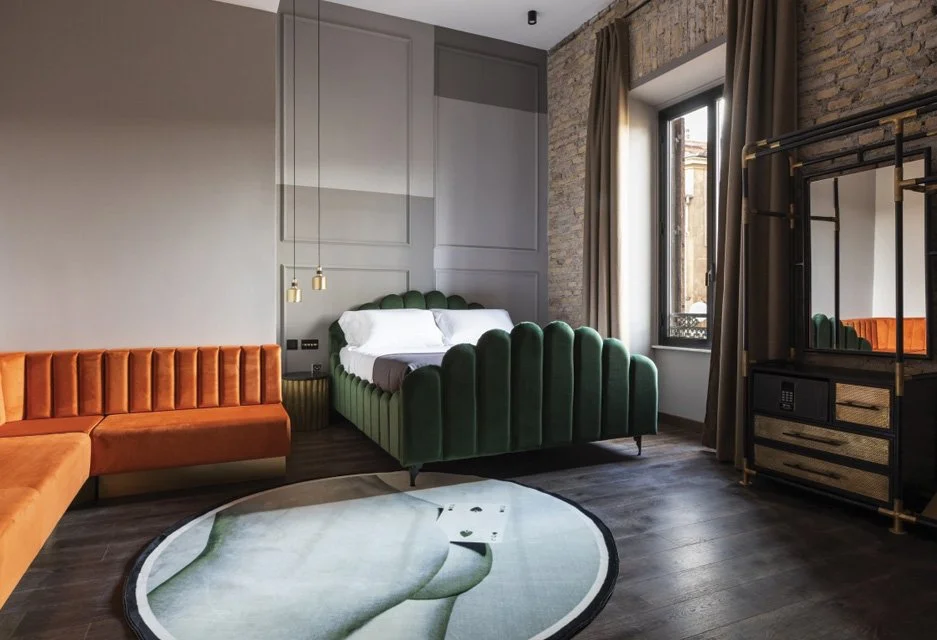
My Top 3 Picks
I've combed through a lot of properties for this one, and these three are the ones I keep coming back to, for very different reasons.
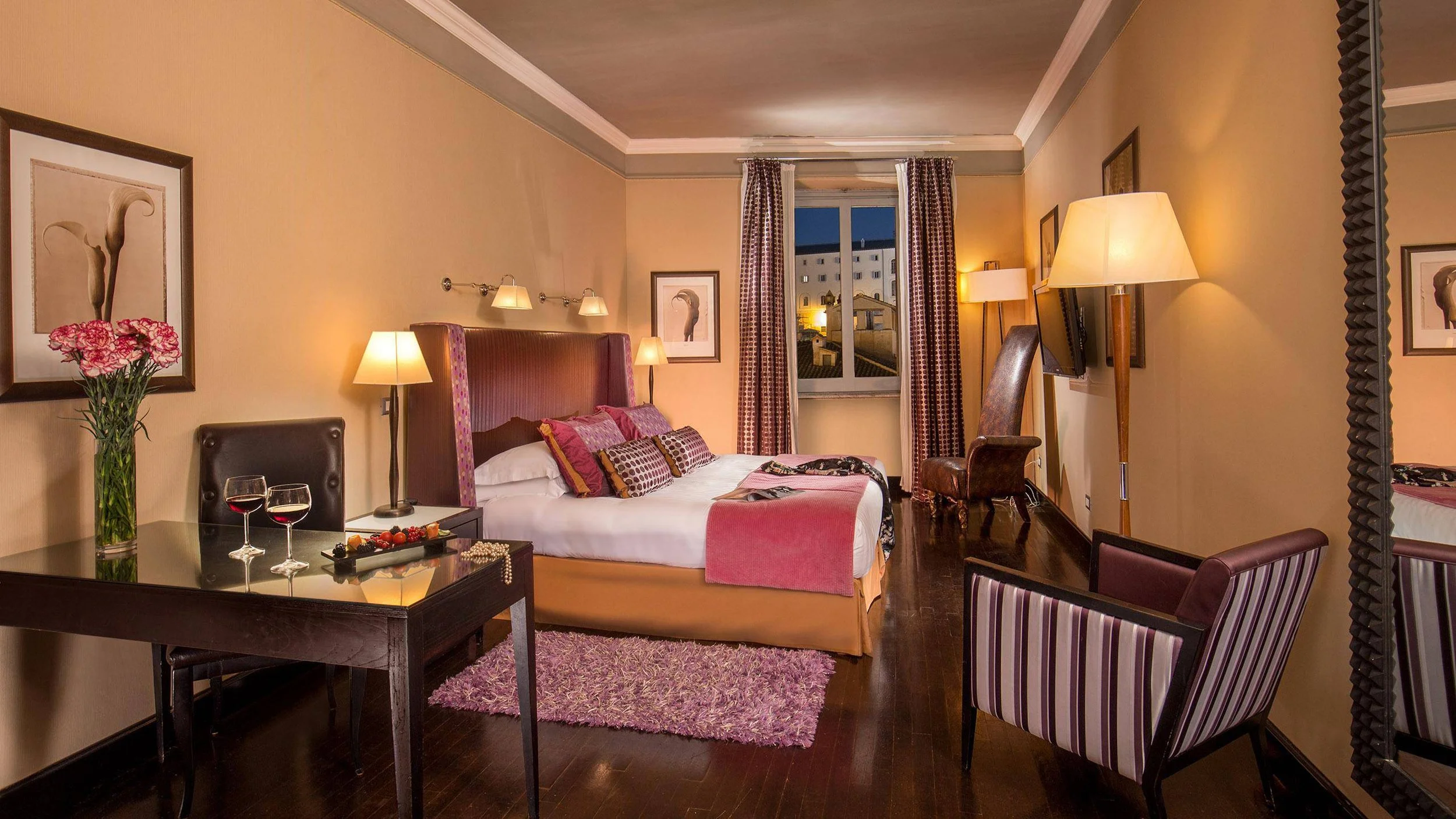
1. The Inn at the Spanish Steps. This is my number one. It's set inside an 18th-century building right on Via dei Condotti, literally steps from the Spanish Steps and walking distance to the Trevi Fountain and Pantheon. What sold me is that it's not really structured like a typical hotel, it's more a collection of small, individually designed suites and apartments spread across a few historic buildings in the same block, each with its own rooftop terrace for breakfast. For couples or small groups who want privacy and a "this is basically our own apartment in Rome" feeling rather than a standard hotel floor, this is it. If you're bringing family or a group of friends, you can book an entire annex for extra privacy.
2. Chapter Roma. A trendy, modern hotel with an industrial-chic edge, tucked into the lively Regola neighborhood right in the heart of the historic center. This is my pick for clients who want boutique style with a bit more energy and a younger, design-forward feel, without sacrificing the walkability of Centro Storico.
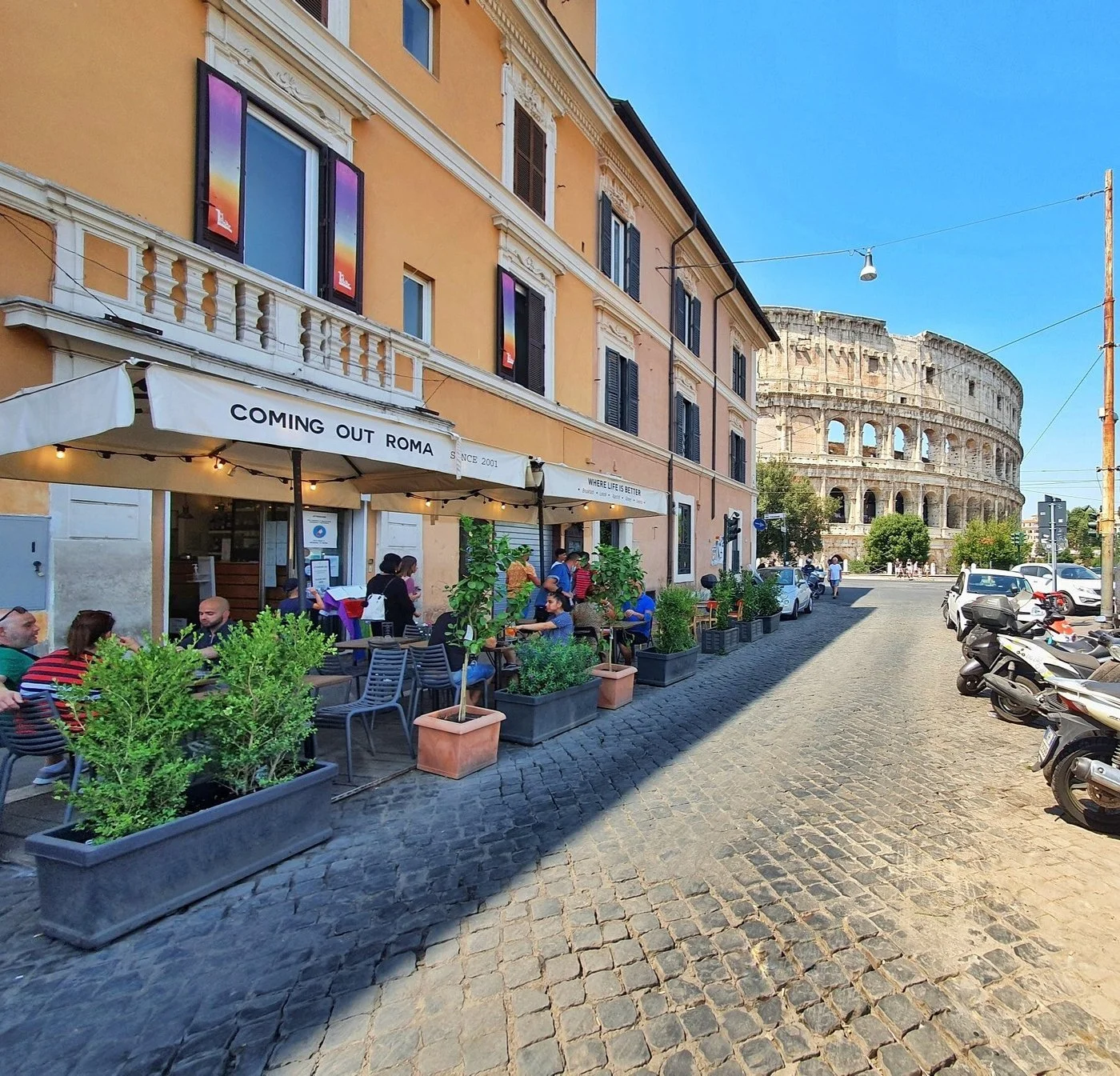
3. First Floor Boutique Hotel. This one is personal for me. It sits directly across from the Colosseum, on what's known as Rome's Gay Street, and it's built right above Coming Out, the LGBTQ+ bar I've already got listed below in the nightlife section. The hotel and the bar operate as one, so you're staying in a space that was built with the queer community specifically in mind, while still very much welcoming everyone. For clients who want to feel plugged into the community from the second they walk outside, and who want to be steps from the Colosseum, I don't think there's a better pick in the city.
Other Boutique Options I Also Love
J.K. Place Roma: Boutique and sophisticated, with individually designed suites near the Spanish Steps. Great for a romantic, stylish escape.
Hotel De' Ricci: Intimate and wine-focused, with a private cellar and expert-led tastings. Perfect for couples who want something quieter and more personal.
Hotel Eden: Opulent, with panoramic city views and rooftop dining next to Villa Borghese. A serene, luxurious pick.
Palazzo Talìa: Elegant and serene, in a beautifully restored historic building near the Colosseum and Roman Forum.
Other notable stays: Portrait Roma, Six Senses Rome, The St. Regis Rome, Bvlgari Hotel Roma, W Rome, Hassler Roma, Hotel Casa Monti, and Villa Agrippina Gran Meliá.
Must-See Attractions
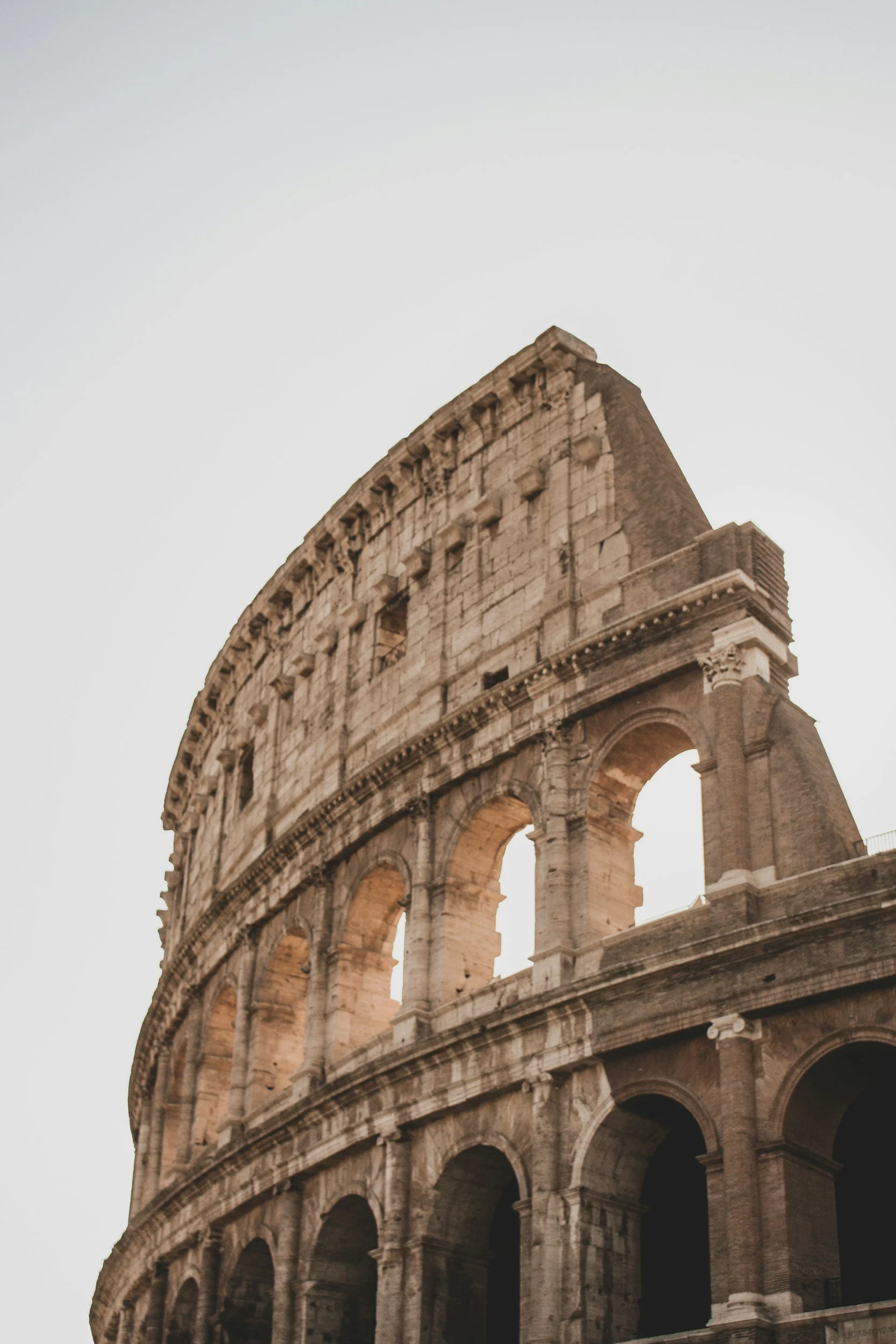
The Colosseum: Completed around A.D. 80, it once held 80,000 spectators for gladiatorial combat. Go at night if you can. It's a totally different, more magical experience with the crowds gone.
Roman Forum: The political and social heart of ancient Rome. Walking through it feels like stepping into the textbook version of history, except it's real.
Vatican City & St. Peter's Basilica: The smallest state in the world, home to 11 museums including the Sistine Chapel. Book a private, early-morning tour if you can swing it. The crowds here are brutal by mid-morning.
Pantheon: The best-preserved ancient Roman monument, with a dome and oculus that still leave people speechless.
Trevi Fountain: Baroque, massive, and famous for the coin-toss tradition that supposedly guarantees your return to Rome.
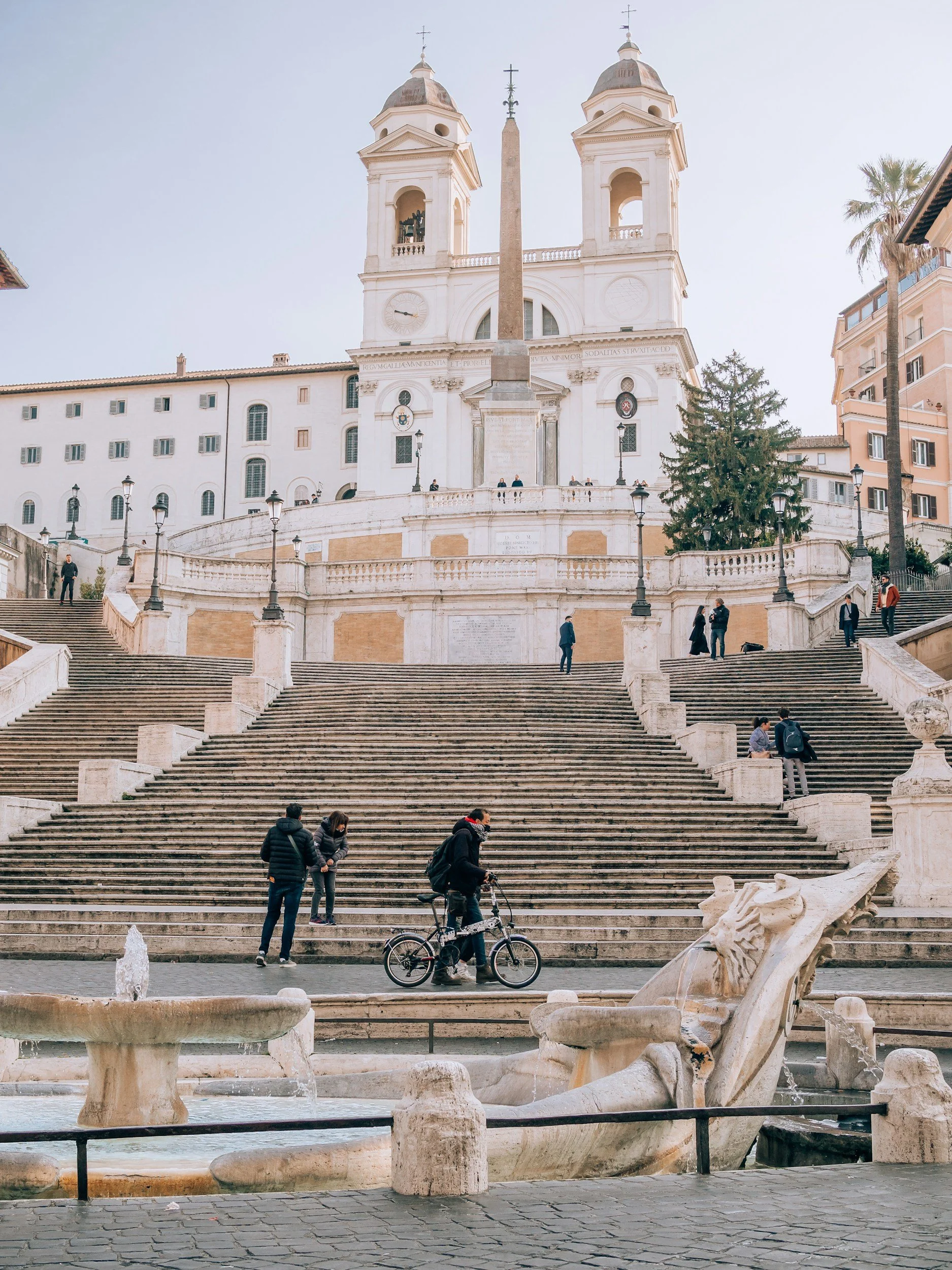
Spanish Steps: A 135-step stairway that's especially beautiful in spring when the azaleas bloom.
Skip the Crowds
Villa Doria Pamphili: Rome's second-largest public park, perfect for a quiet escape with a baroque villa at its center.
Centrale Montemartini: A former power plant turned museum, filled with Greek and Roman statues set against industrial machinery. Genuinely one of the coolest, most underrated spots in the city.
Tor Marancia Street Art: The most colorful, mural-covered neighborhood in Rome, created by 22 international artists.
Casina delle Civette: Also known as the "Cottage of Owls," a hidden Art Nouveau gem with incredible stained glass.
Aventine Hill: A quiet, off-the-beaten-path hill with rose gardens and the famous keyhole view of St. Peter's dome through the Knights of Malta gate.
Where to Eat
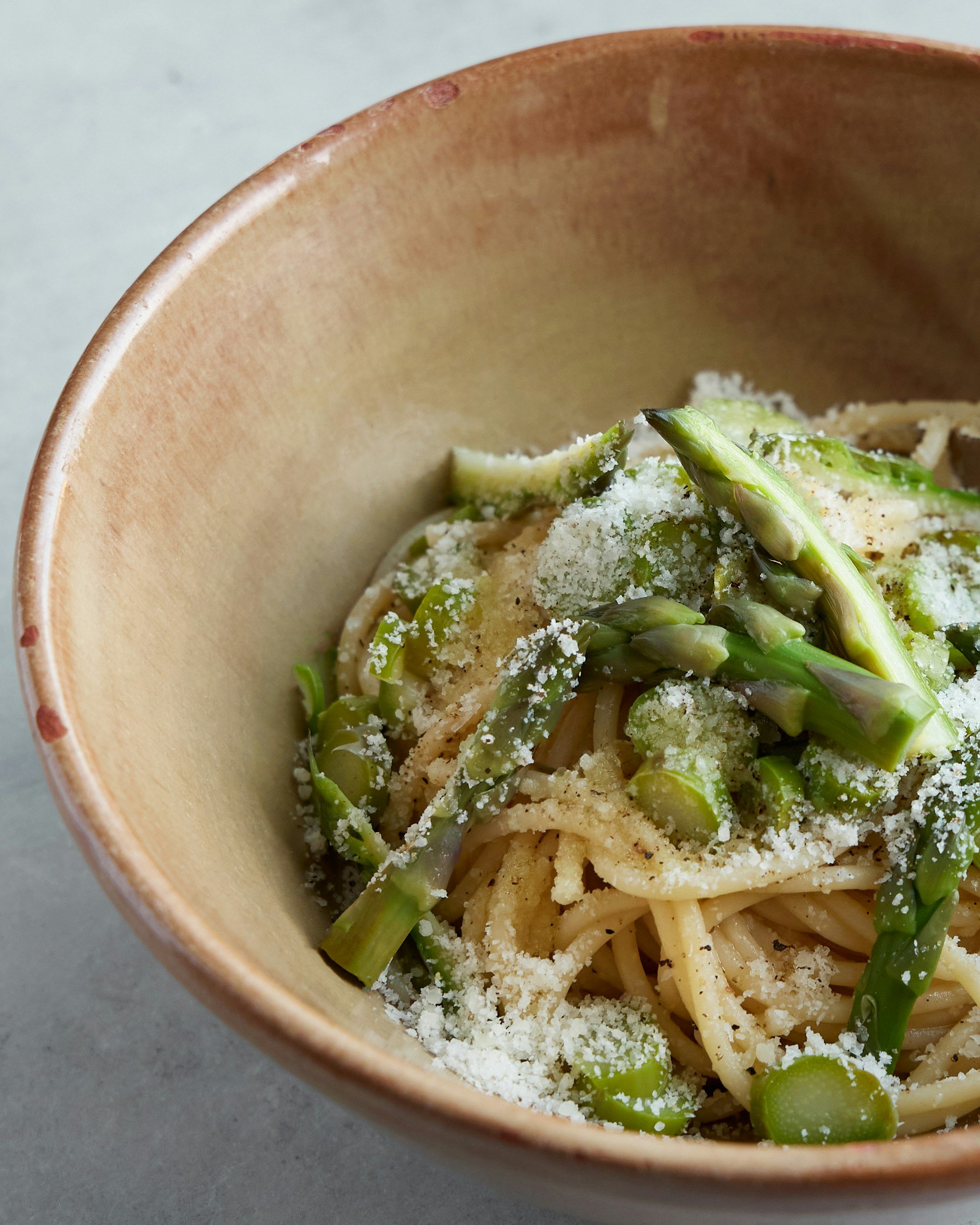
Roman food philosophy: simple ingredients, done right, no fuss. I'll be real with you, this is the part of the trip I'm most excited about. Give me a real neighborhood trattoria over a tasting menu any day, and pair it with the coffee and gelato culture here, and I'm sold.
The trattorias I'm most looking forward to:
Felice a Testaccio: Serving Roman classics since 1936. The cacio e pepe here is the move.
Roma Sparita: Classic Roman dishes in Trastevere, with cacio e pepe finished tableside.
Trattoria Da Cesare al Casaletto: A little out of the center but worth it for serious, no-frills cucina romana. This is exactly the kind of unpretentious, locals-only spot I go looking for wherever I travel.
Ad Hoc: A cozy wine cellar vibe near Piazza del Popolo, great for a quiet, romantic dinner.
Roscioli: Part bakery, part deli, part restaurant, all incredible. Roman classics done exceptionally well, with a wine list over 2,800 labels deep.
Armando al Pantheon: A historic, cozy spot near the Pantheon for traditional Roman dishes.
Michelin-starred options if you want to go all out: La Pergola (Rome's only three-star, with sweeping city views), Il Pagliaccio (two stars, Italian-Asian fusion), and Glass Hostaria in Trastevere for avant-garde Italian cooking. Great for a splurge night, but honestly not what I'm prioritizing on this trip.
Coffee & Gelato, aka the Real Reason I'm Going
I need you to understand that I take the coffee and gelato culture in this city very seriously. A few rules and stops to know:
Cappuccino is a morning-only order here. After 11am, switch to espresso, or you'll get made as a tourist immediately.
Giolitti near the Pantheon is arguably the oldest and best-loved gelateria in the city, and it's non-negotiable on my list.
Sant'Eustachio Il Caffè, steps from Piazza Navona, is one of Rome's most iconic coffee institutions, known for home-roast beans blended with water from an ancient aqueduct.
La Casa del Caffè Tazza d'Oro near the Pantheon has been roasting its own beans since 1944, and their granita al caffè, crushed coffee ice topped with whipped cream, sounds like exactly my kind of afternoon treat.
Sora Mirella by the Tiber for grattachecca, a shaved ice dessert that's perfect on a hot day.
Nightlife & Bars
Roman evenings start with an aperitivo around 7–8pm (a drink and a small plate, usually included), and the real nightlife doesn't kick off until after 11pm.
Bar San Calisto: A no-frills, budget-friendly Trastevere institution with a mix of locals and regulars.
Jerry Thomas Speakeasy: Prohibition-era vibes, secret password required, reservations a must.
Salotto42: A posh cocktail lounge near the Pantheon with a chic, fashionable crowd.
Gregory's Jazz Club: Intimate live jazz with a serious whisky list.
LGBTQ+ Life & Pride
Rome has a genuinely vibrant, historic queer community, and when I'm building out this part of a trip for clients, I care about three things equally: does it feel safe, is it actually fun, and will you feel like you're part of something rather than just a tourist passing through. Rome checks all three. Visit these sites for the most up to day info on Pride.
Roma Pride:romapride.it
Rome Ga Pride:romegapride.org
Queer nightlife to know:
Coming Out Gay Bar: Right in the shadow of the Colosseum, on Rome's Gay Street. This is the community anchor of the neighborhood, casual, welcoming, and the kind of place where you'll actually meet people rather than just drink next to them. It's also literally underneath First Floor Boutique Hotel, my top pick above, which is exactly why I love pairing the two.
Qube Disco: A three-story, gay-friendly nightspot with themed parties and multiple music rooms if you want a proper night out dancing.
Censured Club Gay: A popular, energetic local spot dedicated to the LGBTQ+ crowd.
Practical Info & Need to Know
Entry requirements: EU/EEA citizens just need a valid ID. Visitors from the US, UK, Canada, Australia, and New Zealand get visa-free entry for stays up to 90 days within 180 days, but will need an ETIAS authorization before traveling.
Money: Euro is the currency. Cards are widely accepted, but keep some cash for smaller shops, markets, and tips (appreciated, not mandatory).
Getting around etiquette: Italians greet with a kiss on the cheek. Wait for the host to sit before eating. Being "on time" socially can mean 20-25 minutes late, but never apply that logic to a tour or excursion.
Dress code: Comfortable, stylish walking shoes are essential. For the Vatican and churches, cover shoulders and knees, and skip anything too tight or revealing.
Coffee culture: Cappuccino is a morning-only drink here. Ordering one after 11am is basically a tourist tell. Espresso, on the other hand, is fair game all day.
Safety: Rome is a generally safe city for travelers, but pickpocketing is the main concern in touristy areas and on public transport. Keep bags zipped and valuables close.
Day Trips From Rome
Ostia Antica (40 min by train): Remarkably preserved ruins of Rome's ancient port city.
Castelli Romani (1 hour by train): Picturesque hill towns like Frascati and Castel Gandolfo, known for wine and views.
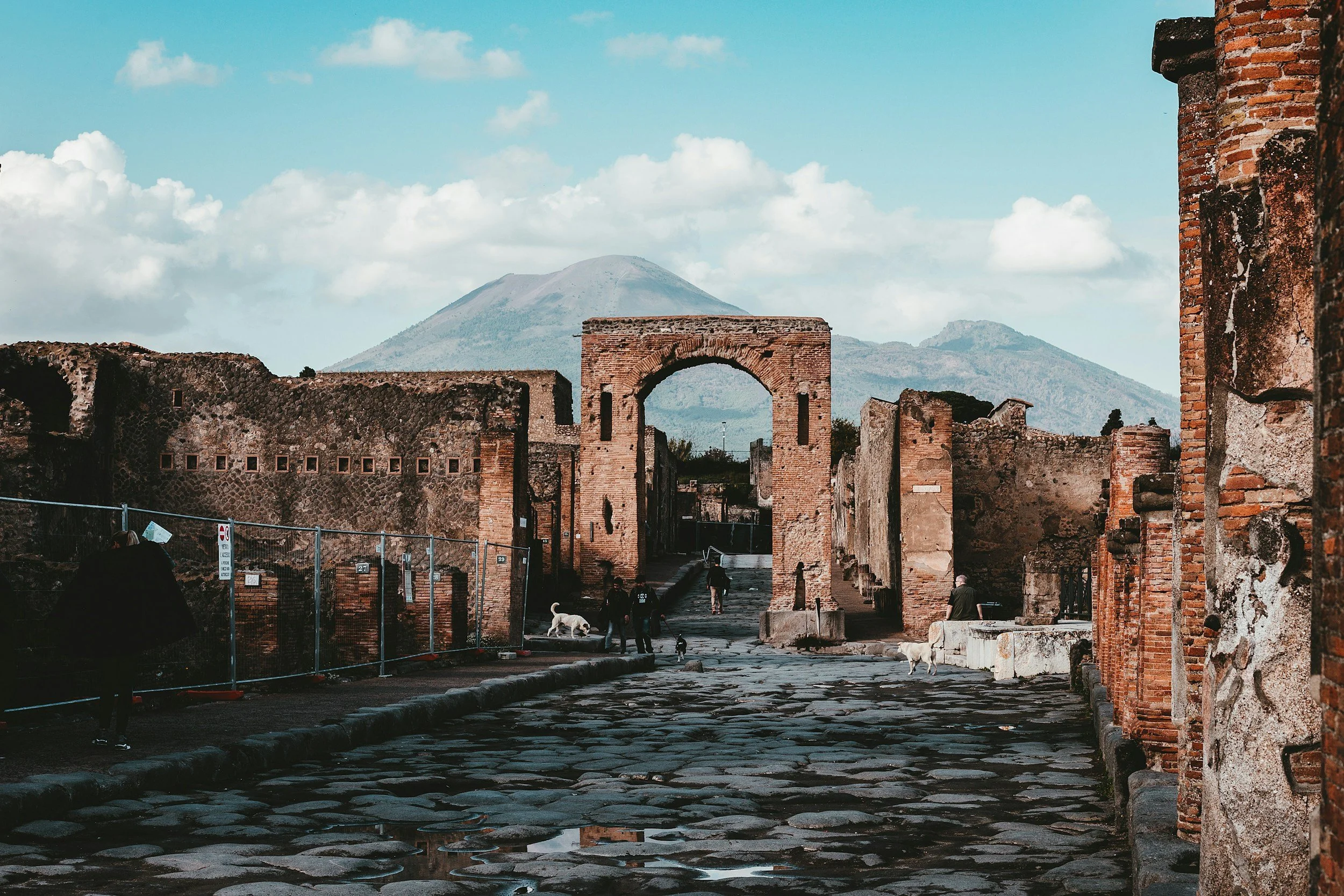
Pompeii (1.5 hours by train): The famously preserved ancient city frozen by the eruption of Mount Vesuvius.
Orvieto (1.5 hours by train): A dramatic Gothic cathedral perched atop volcanic rock.
Worth Extending Your Trip For
Florence & Tuscany (1.5 hours by train): Renaissance art, rolling vineyards, and hill towns.
Amalfi Coast (2 hours by train): Dramatic cliffs and coastal towns.
Venice (4 hours by train): Canals, history, and an entirely different side of Italy.
Set the Mood: Films & Books
Get in the Rome headspace before you go:
Roman Holiday (1953) — Spanish Steps, Trevi Fountain, Colosseum
La Dolce Vita (1960) — Trevi Fountain, Via Veneto
The Great Beauty (2013) — Colosseum, Aventine Hill
Eat, Pray, Love by Elizabeth Gilbert
Roman Fever by Edith Wharton
Want help planning your trip to Rome? 👉 Schedule a trip planning session here! 👈
Bottom Line
Rome isn't a city you conquer in a weekend. It's a city you fall into. Come hungry, wear good shoes, and don't over plan every hour. Some of the best moments here happen when you get a little lost on purpose.
I've got rough dates set for my own trip, and putting this guide together only made me more sure it's going to be a good one. I'll be back with an update once I've actually walked these streets myself, but for now, this is everything I'd want to know before booking. If you're thinking about Rome, let's talk.
Frequently Asked Questions: Planning Your Rome Trip
How many days do I need in Rome?
The sweet spot is 3 to 4 nights. This gives you enough time to hit the iconic spots like the Colosseum and Vatican City without having to rush your meals or sprint through the piazzas.
When is the best time of year to visit Rome?
Spring (April–May) and Fall (September–October) are the absolute best times to go. You’ll get gorgeous weather (55–75°F) and avoid the brutal, crowded summer heat.
Where is the LGBTQ+ scene in Rome?
The heart of Rome’s queer scene is centered right next to the Colosseum on Via di San Giovanni in Laterano (locally known as Rome's "Gay Street"). Coming Out is the go-to neighborhood anchor bar here, and Qube Disco is perfect if you want a massive, multi-story night out dancing.
Should I rent a car to get around Rome?
No, absolutely do not rent a car. Roman traffic is chaotic, parking is non-existent, and the historic center has strict restricted driving zones (ZTL) that carry heavy fines. Stick to walking—the historic center is incredibly walkable—and use the metro or taxis for longer distances.
Is there a dress code for visiting churches and the Vatican?
Yes. To enter Roman churches and Vatican City, you must cover your shoulders and knees. Skip the tank tops, short shorts, or overly revealing clothes, and wear comfortable, stylish walking shoes to handle the cobblestones.
What is the golden rule of Roman coffee culture?
Cappuccinos are strictly for the morning. Italians view hot milk after a meal as a digestive disaster, so ordering a cappuccino after 11:00 AM is the easiest way to flag yourself as a tourist. After mid-morning, stick to espresso!