
The Mega-Moon: Why Complex Honeymoons Only Work With Professional Oversight

A Mega-Moon looks glamorous from the outside.
Multiple destinations. Seamless transitions. A honeymoon that unfolds like a story instead of a checklist.
But here’s the truth most couples don’t realize until they’re already planning:
multi-stop honeymoons are operational projects.
When they’re done well, they feel calm.
When they’re not, they feel rushed, fragmented, and emotionally exhausting.
The difference isn’t effort.
It’s oversight.
The Calm You Feel at Arrival Is Designed — Not Accidental
When couples arrive at their first destination on a well-planned Mega-Moon, they feel calm.

That calm comes from decisions that were made weeks or months earlier:
arrival times chosen intentionally
transfers aligned with hotel access windows
pacing designed to preserve energy, not just maximize sightseeing
This isn’t about luxury for luxury’s sake.
It’s about control — professional control over moving parts most travelers never see.
That level of calm doesn’t happen by chance.
It happens when someone is responsible for the entire system.
Why Travel Days Are the Hidden Risk in Any Mega-Moon

Most couples underestimate travel days.
They see a one-hour flight or a short distance on a map and assume it’s “easy.”
Professionals know better.
Each travel day introduces risk:
schedule compression
missed connections
decision fatigue
cascading delays that affect everything downstream
Without centralized planning, travel days become stressful and rushed — quietly draining the trip of its emotional payoff.
My role is to eliminate unnecessary friction before it exists.
Not reactively. Systematically.
The Real Cost of Fragmented Planning
I’ve watched couples handle individual reservations impressively — securing exclusive restaurants, private tours, and high-demand experiences.
Where things break is coordination.
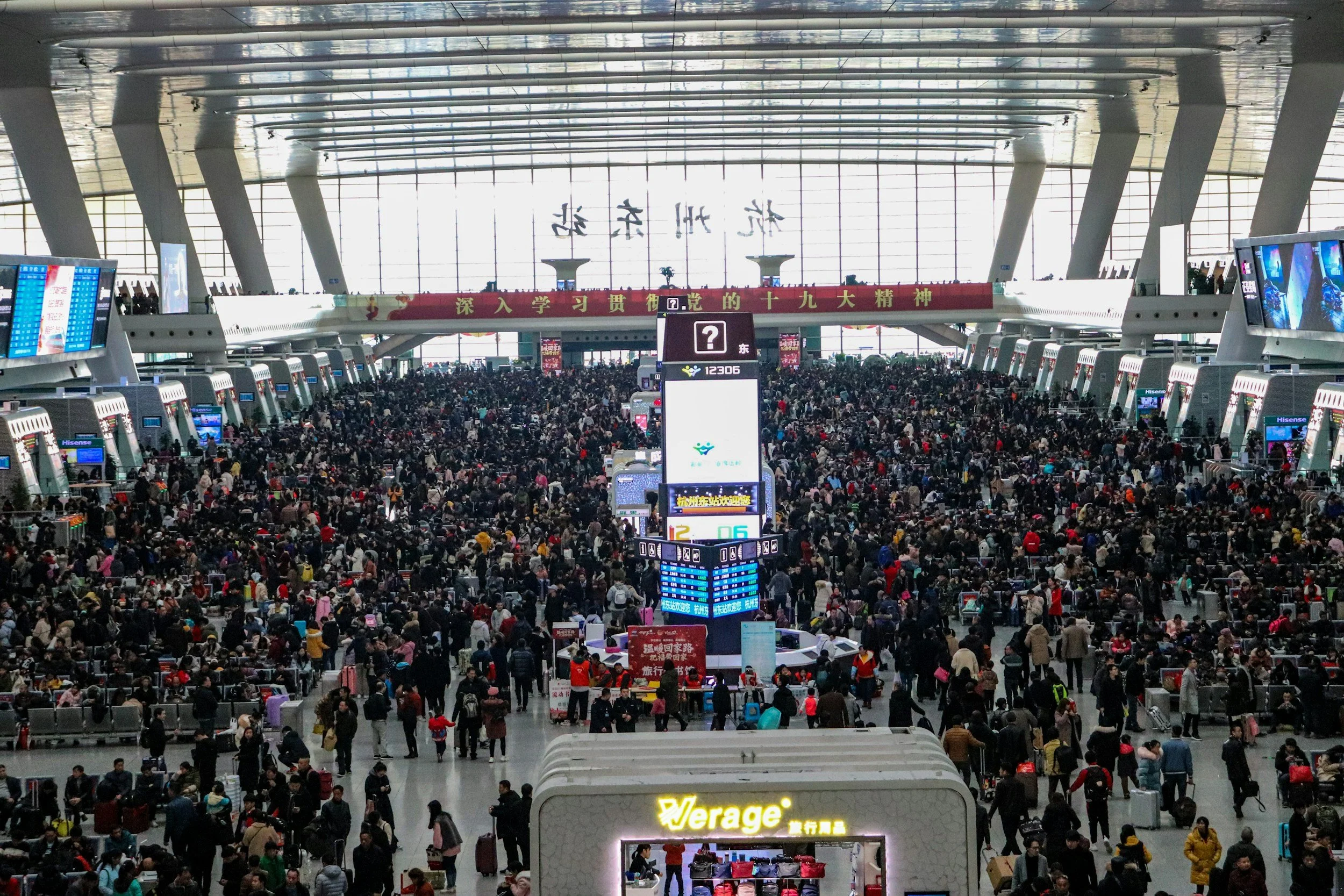
When no one is overseeing the full itinerary, conflicts appear:
reservations overlap
excursions compete with arrival windows
suppliers enforce policies without context
The result is disappointment, arguing, and the feeling that something special slipped through the cracks.
Here’s the professional reality most travelers don’t know:
suppliers don’t negotiate with travelers juggling multiple bookings.
They negotiate with advisors who bring repeat business, context, and credibility.
That leverage matters — especially when plans need to change.
Europe: Where Expertise Matters Most

Europe is one of the most deceptively complex regions to plan well.
Yes, cities are close.
Yes, transportation options are abundant.
But professional routing considers:
arrival times that align with hotel readiness
city-center access vs airport convenience
cumulative travel fatigue over 10+ days
budget allocation between logistics and experiences
A Rome → Paris → Barcelona honeymoon can feel fluid and romantic — or exhausting and transactional — depending entirely on how it’s structured.
This is where my background in research, sequencing, and systems becomes your advantage.
Efficiency isn’t about speed. It’s about preserving the experience you’re paying for.
LGBTQ+ Travel Requires More Than Good Intentions

LGBTQ+ couples travel everywhere — but that doesn’t mean every supplier is prepared to host them well.
As a proud member of IGLTA and DWHSA, I maintain an active network of partners who:
have taken clear stances against discrimination
understand LGBTQ+ travelers as clients, not exceptions
create environments where safety and welcome are built in, not advertised after the fact
When LGBTQ+ couples are in the right places, with the right partners, something shifts.
They relax.
They stop scanning.
They stay present.
That atmosphere is curated — and it requires professional discernment.
Timing Is the Difference Between Ambitious and Overwhelming
Mega-Moons demand more from timing than almost any other type of trip.
Crowds, seasons, and pacing compound across destinations.
What feels manageable in one city can become overwhelming by the third or fourth stop.
Early planning allows for:
smarter travel windows
intentional spacing between high-energy locations
access to preferred suppliers and inventory
This isn’t about rigidity.
It’s about giving the trip room to breathe.
How I Measure a Successful Mega-Moon
Years later, couples don’t remember how many logistics decisions they made.
They remember how the trip felt.
How present they were.
How it still comes up in conversation long after they’re home.
That outcome isn’t accidental.
It’s the result of professional planning, oversight, and support.
If You’re Considering a Mega-Moon, Start With a Conversation
Mega-Moons only work when someone is accountable for the full experience — from the first flight to the final arrival home.
If you’re planning a multi-stop honeymoon and want it to feel calm, intentional, and deeply memorable, the next step is simple:
Not to book immediately — but to determine whether your vision deserves professional design.
Some trips are too important to crowdsource.
This is one of them.