
Hidden Histories: Walking in the Footsteps of Michelangelo and Byron
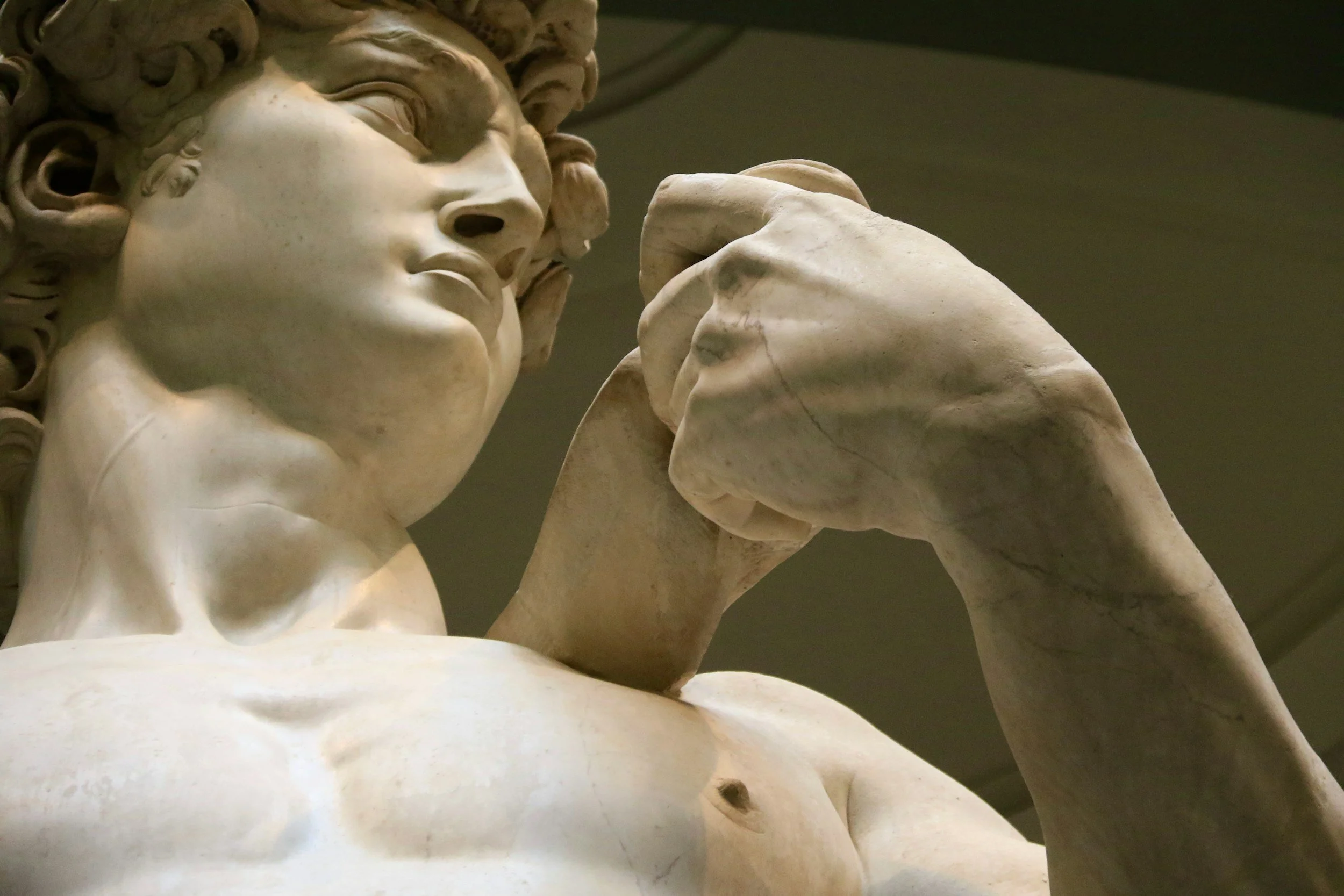
David by Michelangelo (1501–1504). An iconic marble sculpture of the High Renaissance, housed in the Galleria dell'Accademia, Florence.
Let’s be honest: walking through the Uffizi Gallery in Florence or the winding calle of Venice can feel like "History Overload." You see the statues, you see the canals, but do you see us?
For decades, traditional guidebooks have "straight-washed" Italy’s greatest icons. They’ll tell you Michelangelo was a "tortured soul," but they won't mention the passionate love sonnets he wrote to Tommaso dei Cavalieri. They’ll talk about the Venice Carnival masks, but they skip the story of the men who used them to find love in the shadows.
At Prism Premier Travel, we believe travel is a way to reclaim our history. Italy isn’t just a beautiful backdrop; it’s the original queer destination.
The Prism Snapshot: Italy’s Hidden History
Florence: Visit the Bargello Museum to see Donatello’s David—an icon of queer art history—and learn about the "Officers of the Night."
Venice: Discover the secret of the "Gnaga" mask, a 16th-century hack for same-sex anonymity.
Are there gay history tours in Florence and Venice?
In Florence, our specialized tours peel back the layers of the Renaissance. You’ll stand where the "Officers of the Night"—the 15th-century "vice squad"—patrolled. Ironically, because they were so obsessed with policing "sodomy," they left behind the most detailed records in the world of how thriving and visible the gay scene in Florence actually was.
In Venice, the history is even more theatrical. We take you beyond the gondola rides to explore the world of the Gnaga.
The Gnaga Mask: A 16th-Century Queer "Life Hack"

If you’ve ever been to Venice, you’ve seen the cat masks. But here’s the history they don't tell you: In the 1700s, these masks were worn by men (known as Gnaghe) who dressed in women's clothing and used the anonymity of the mask to engage in same-sex encounters.
The mask allowed for a performance of gender and desire that was socially tolerated under the "law of the mask." It’s a powerful reminder that even in the most restrictive times, our community has always found a way to exist, to party, and to love.
Why Michelangelo Matters in 2026
When you stand in front of the David, it’s easy to get lost in the marble. But when you know that Michelangelo was a man who loved men—and that his work was a raw expression of that desire—the art hits differently.
For a 2026 honeymoon or anniversary, we don't just send you to a museum; we curate an experience where you can see yourself reflected in the greatest masterpieces ever created. It’s about more than "sightseeing"; it’s about belonging.
Real Talk: Why History is a Safety Feature
Why do we focus so much on the past? Because a culture with a 600-year history of queer presence is a culture that, deep down, "gets it." Understanding the roots of the Renaissance helps you navigate Italy with a different kind of confidence.
At Prism, we handle the logistics—the private entries, the gay-friendly guides, and the high-end boutique stays—so you can spend your time connecting with the icons who paved the way.
Ready to walk in the footsteps of the greats? Let’s design your historical Italian escape.